The Timeless Story of Kit Homes: From Mail-Order Dreams to California Classics
Kit homes revolutionized American living in the early 20th century. Consequently, stylish, affordable houses became accessible to everyday families. These homes were shipped by rail in thousands of pieces. Moreover, they came complete with nails, blueprints, and instructions. As a result, these prefab pioneers laid the foundation for modern modular building. At California Dream Bungalows, we celebrate this heritage. Specifically, we're reviving bungalow kits tailored for today's needs.
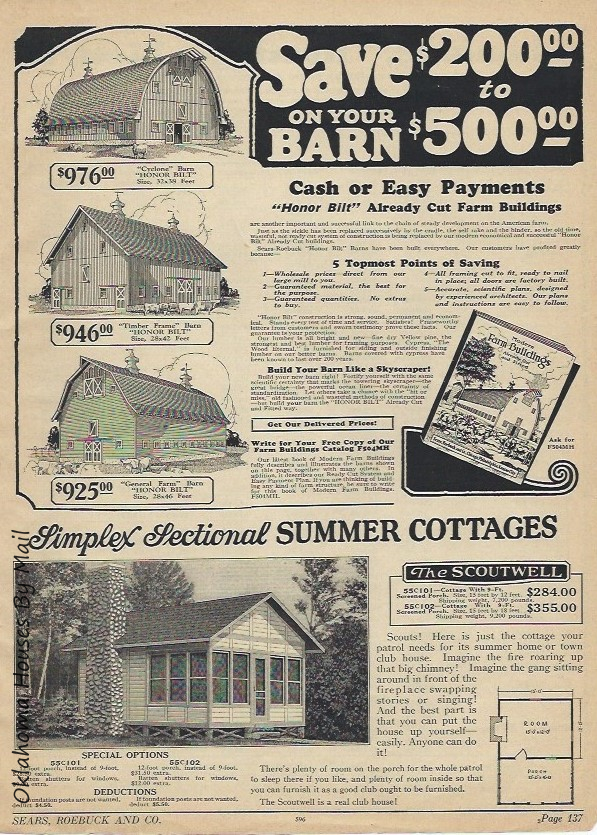
From 1908 to 1940, Sears alone sold over 70,000 kits. Therefore, boxcars became million-dollar dreams that still dot neighborhoods today.
A Brief Timeline of Kit Home Innovation
- 1890s-1900s: The Spark
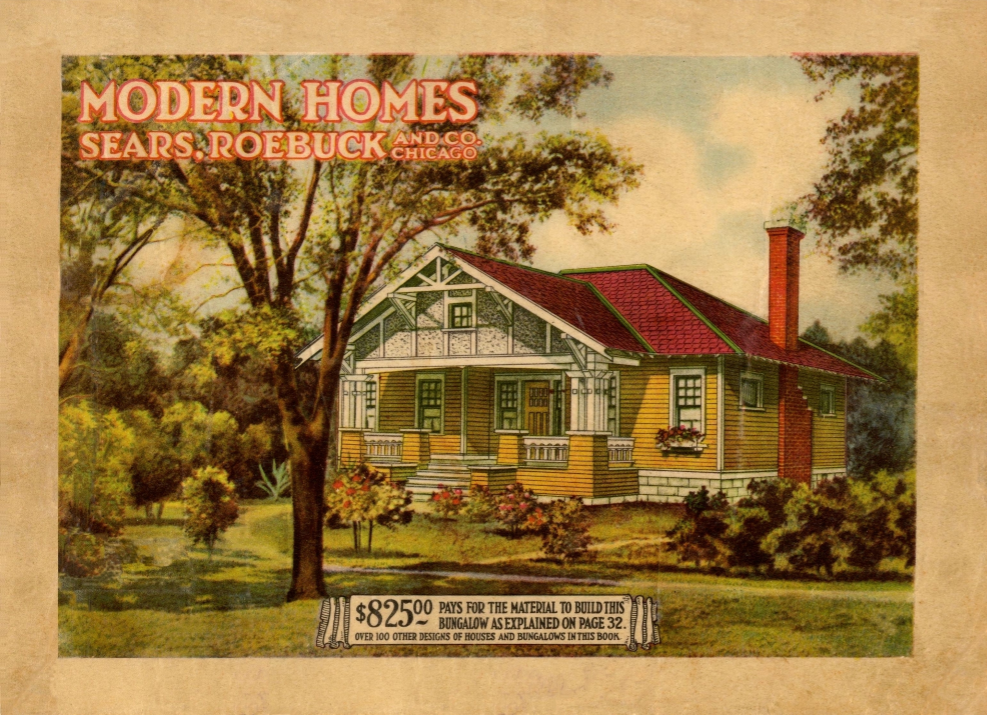
Early mail-order companies like Aladdin and Lewis emerged first. However, Sears entered in 1908 with its "Modern Homes" catalog. Initially, they offered 25 models ranging from bungalows to colonials. - 1910s: Boom Time
Post-WWI demand surged dramatically. As a result, Sears shipped 3,000+ kits yearly. Furthermore, prices started from $600 (about $20K today) for basic craftsman styles. - 1920s: Peak Popularity
Over 100 models became available during this era. Additionally, California favorites like the Del Rey bungalow emerged. This stylish, low-pitched roof design proved perfect for sunny SoCal lots. - 1930s-1940s: The Close
The Great Depression and WWII halted production by 1942. Nevertheless, the legacy endures. In fact, kit homes make up 10-20% of U.S. homes built pre-1940.
Kit Homes in the Golden State: Bungalows Take Root
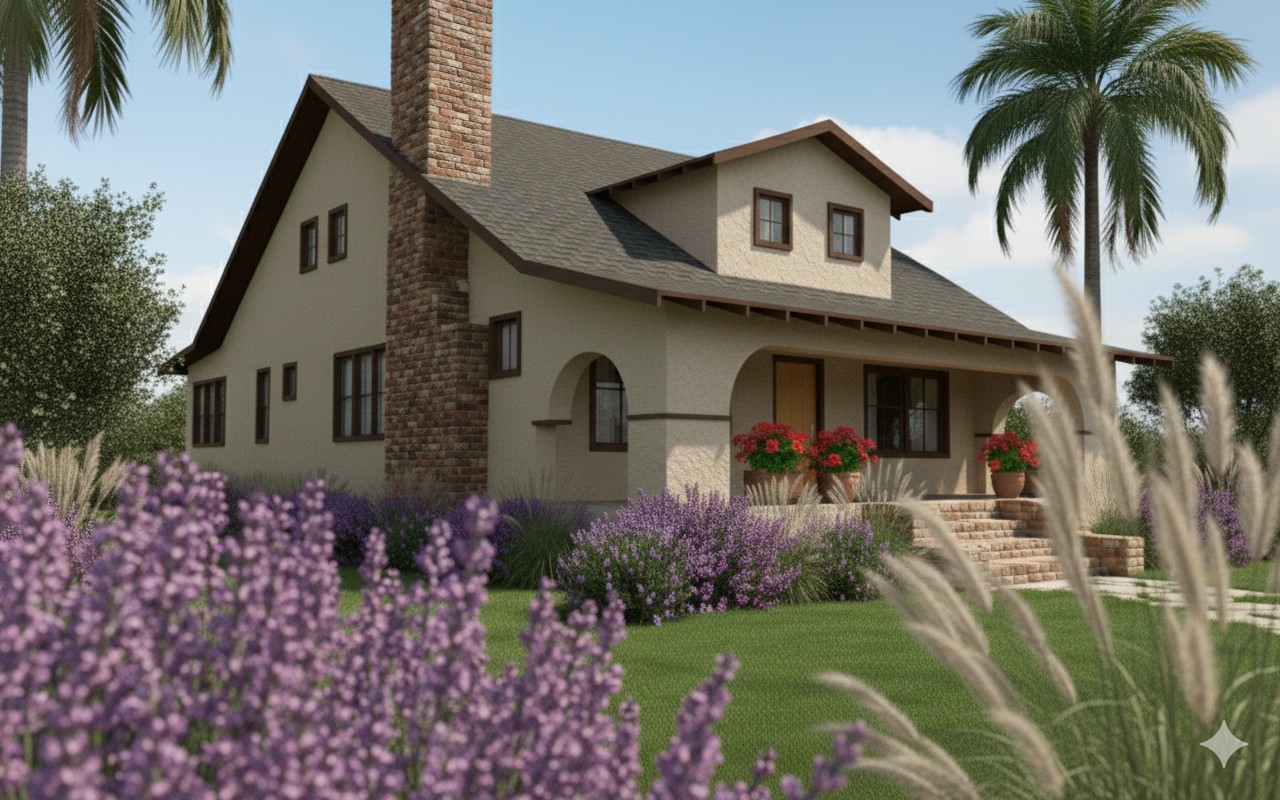
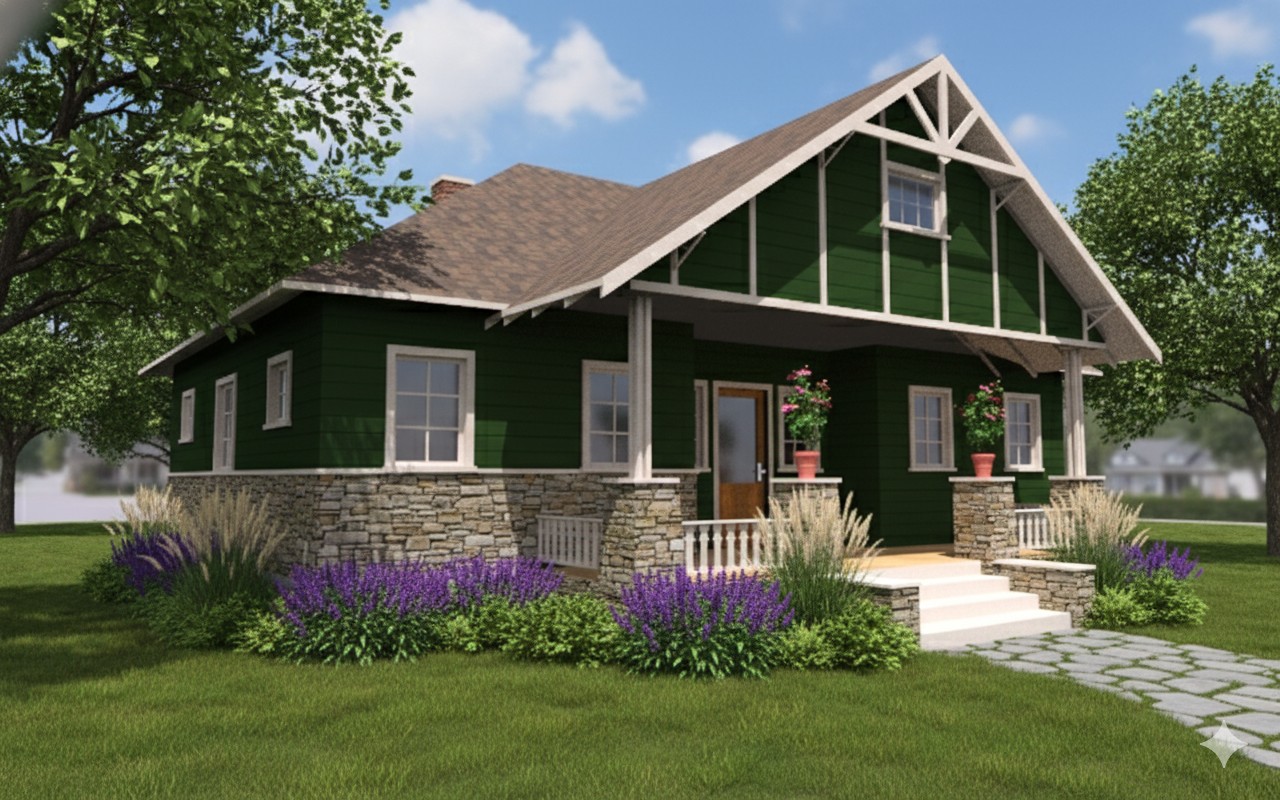
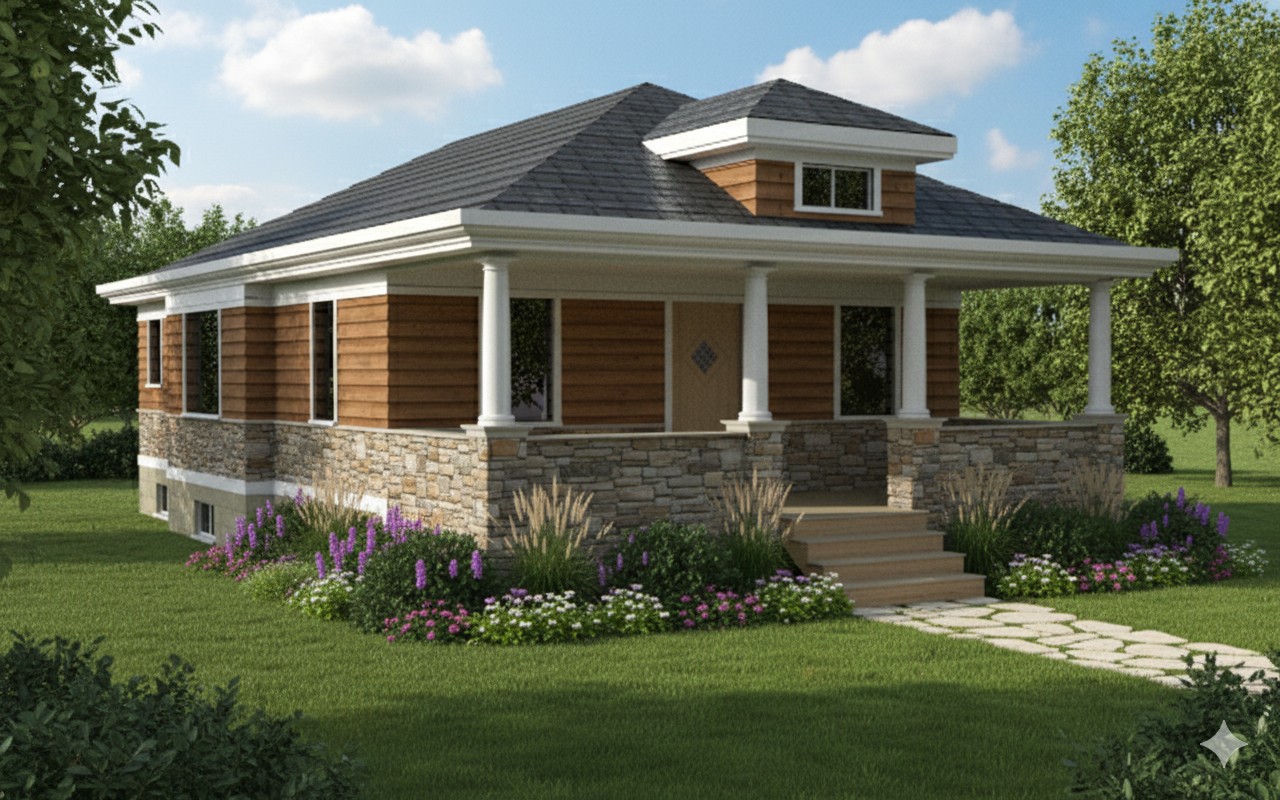
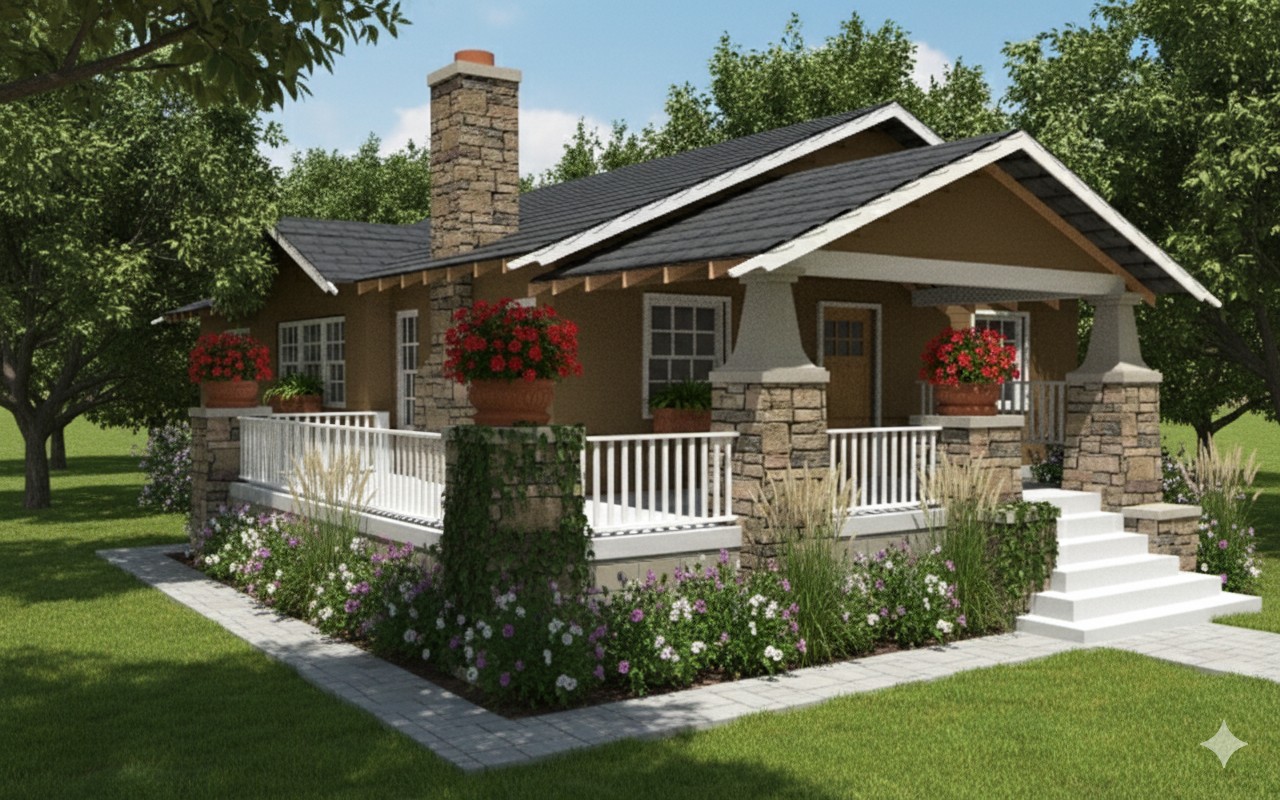
California's mild climate and land boom made it kit home heaven. During the 1910s-30s, SoCal's bungalow craze exploded dramatically. Simple, one-story designs with deep porches flooded L.A. and beyond. Moreover, craftsman details became signature features.
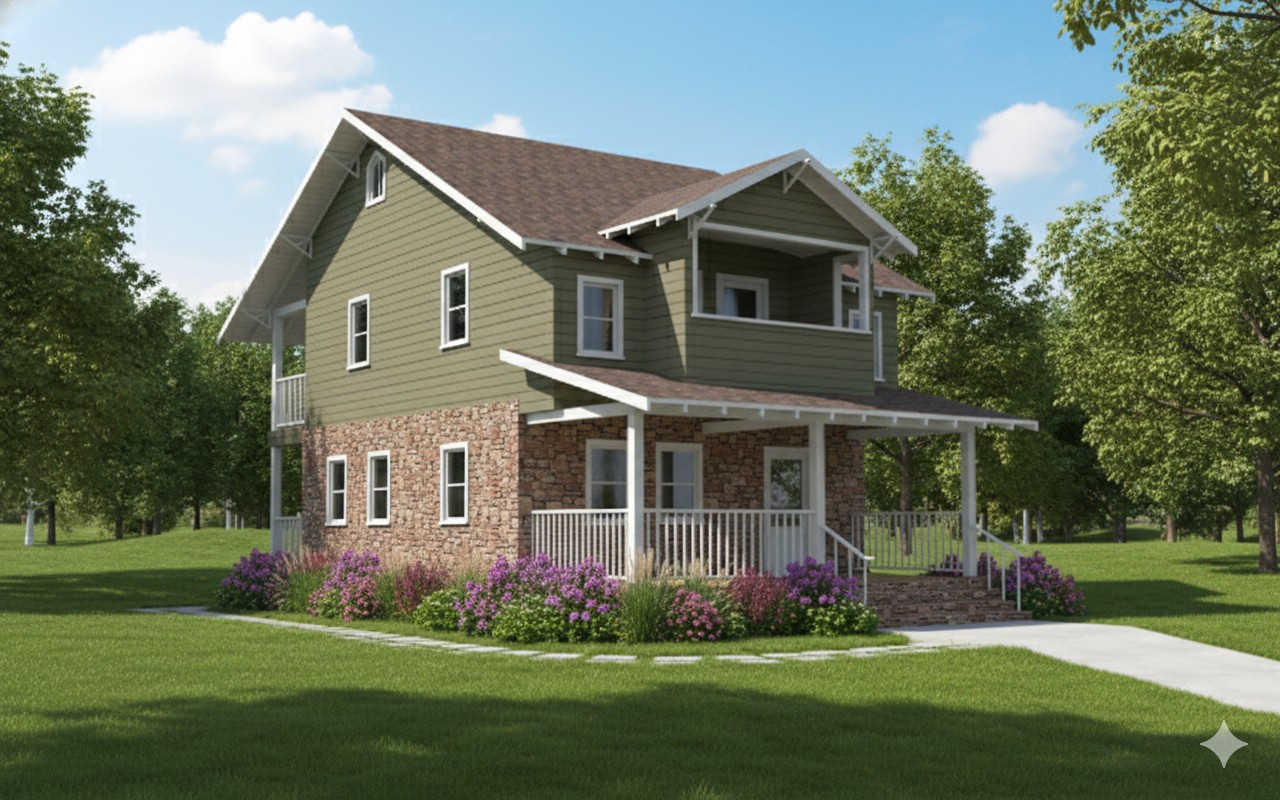
Sears catered directly to California buyers. Models like the Alhambra and Crescent became bungalow icons. Consequently, these were shipped west in large numbers. They fueled the state's 94% single-family housing rate. Additionally, they defined neighborhoods from Pasadena to San Diego.
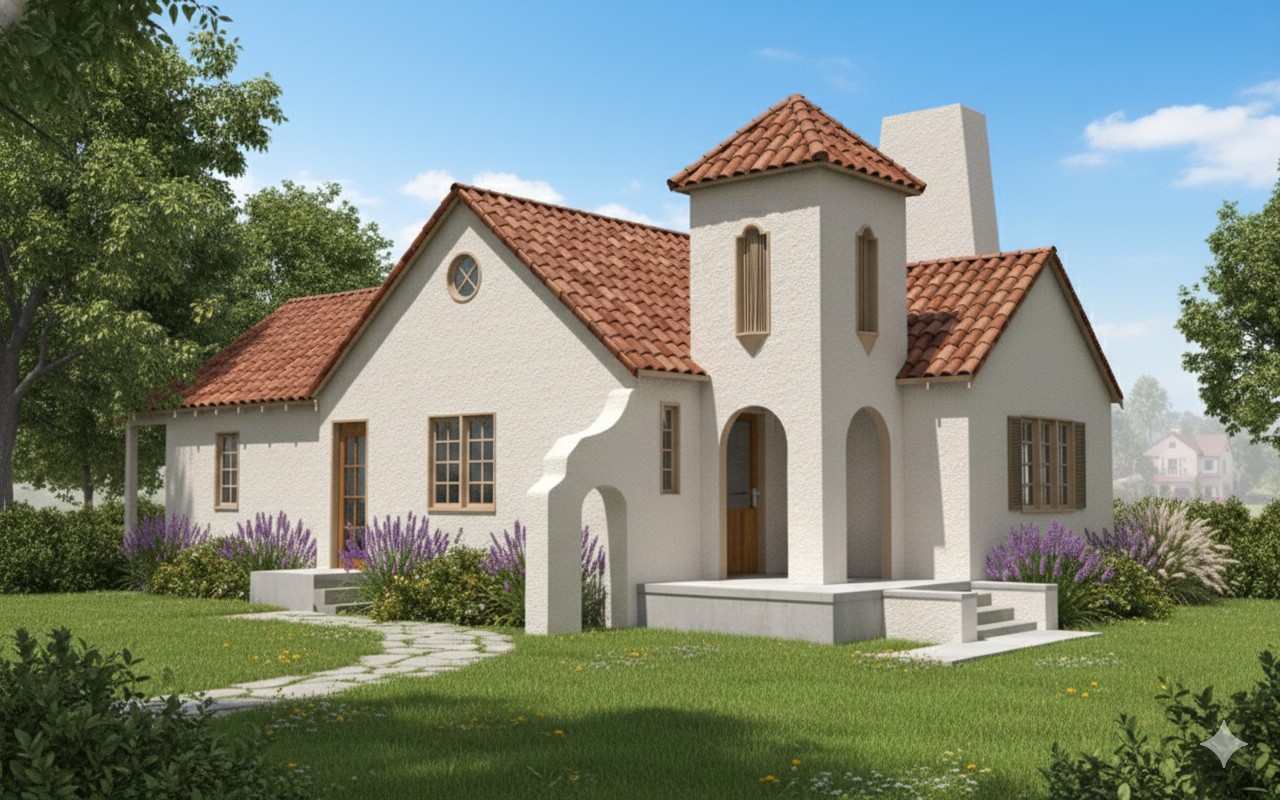
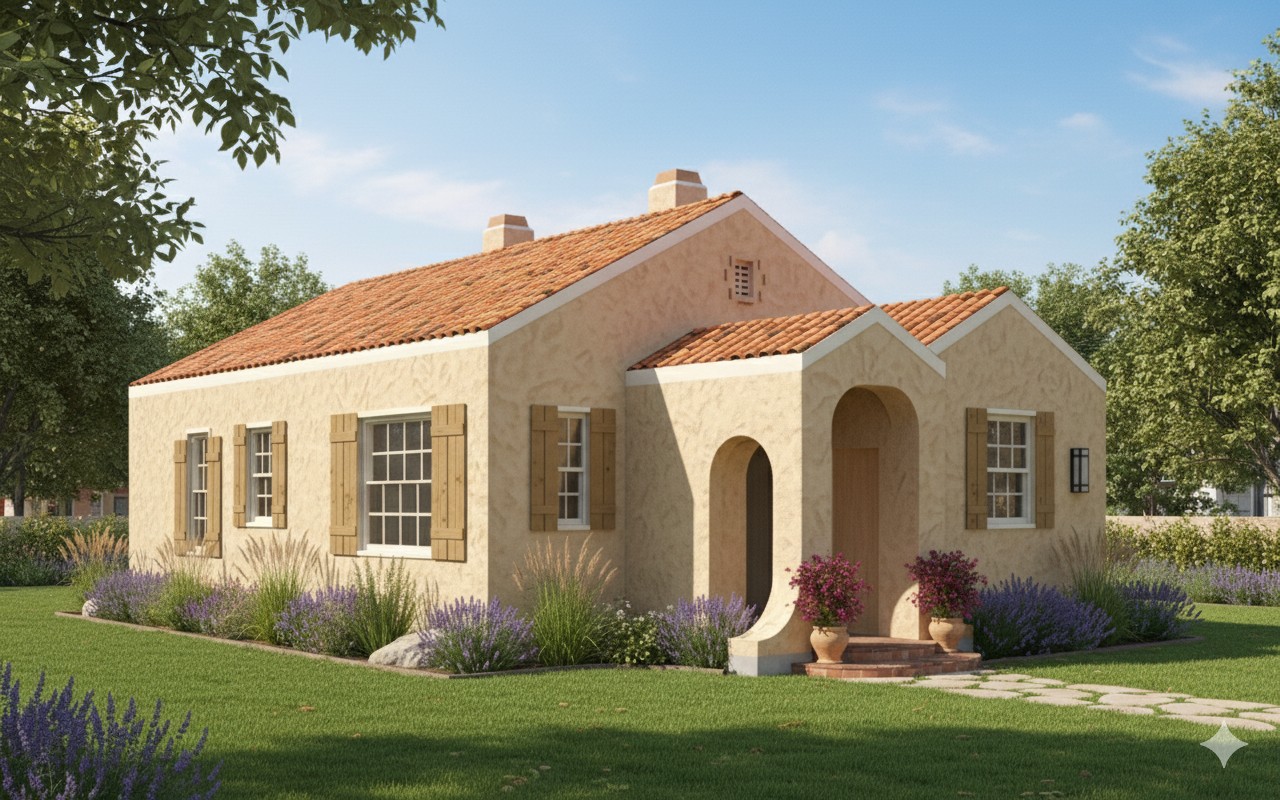
These kits weren't just houses. Instead, they represented the affordable California Dream. They were shipped affordably by rail to homesteaders and young families. These families were escaping urban sprawl specifically. Today, thousands stand as charming relics. Therefore, they blend Arts & Crafts warmth with practical prefab roots.
From Forgotten Catalogs to Future Builds
The kit home story didn't end with Sears—its influence echoes in today's modular revolution. Post-1940s, companies like National Homes carried the torch, but the original catalogs (now digitized on the) remind us of an era when housing was innovative, not impossible.
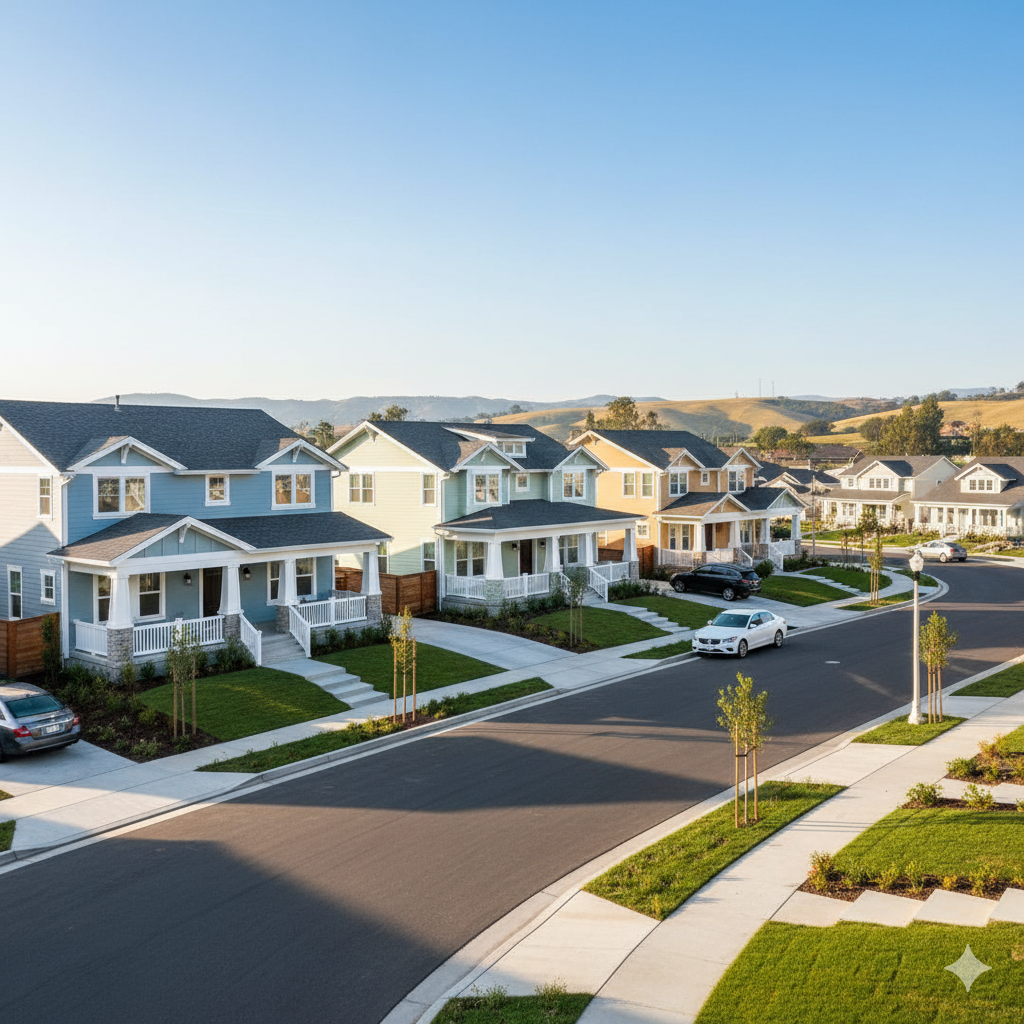
California Dream Bungalows picks up the thread: Our prefab kits modernize these classics with fire-resistant materials, energy efficiency, and quick assembly—ideal for wildfire recovery and affordability. Just as Sears democratized homeownership, we're making bungalows the solution to tomorrow's crises.
The kit home story didn't end with Sears. Rather, its influence echoes in today's modular revolution. Post-1940s, companies like National Homes carried the torch. However, the original catalogs remind us of an important era. These catalogs are now digitized on the Internet Archive. They show us when housing was innovative, not impossible.
California Dream Bungalows picks up the thread today. Our prefab kits modernize these classics with fire-resistant materials. Additionally, we incorporate energy efficiency and quick assembly. Therefore, they're ideal for wildfire recovery and affordability. Just as Sears democratized homeownership then, we're making bungalows the solution now. Consequently, we're addressing tomorrow's crises.